
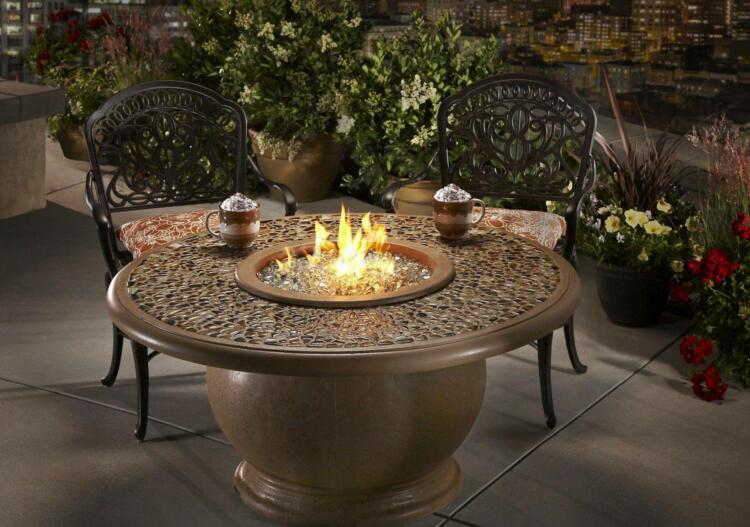
Backyard fire pits have surged in popularity, becoming a coveted feature in outdoor living spaces. They offer a cozy gathering spot for friends and family, extending the enjoyment of your backyard into the cooler months. However, the beauty and warmth of a fire pit come with responsibilities. This article aims to equip you with essential safety tips and inspire you with innovative design ideas for building and maintaining a backyard fire pit, ensuring your outdoor gatherings are both safe and memorable.
Safety Tips for Fire Pits
Location
Choosing a safe location is paramount. Your fire pit should be at least 10 feet away from any house, shed, or flammable structure. Avoid placing it under overhanging trees or near shrubbery. An open, level spot away from potential fire hazards is ideal.
Materials
Use fire-resistant materials such as brick, stone, or metal for the pit itself. For the surrounding area, consider non-flammable options like gravel, brick, or concrete pavers to prevent accidental fires from stray sparks.
Fire Size
Keep your fires manageable. Smaller, controlled fires not only reduce the risk of accidents but also are easier to extinguish. Never overload your fire pit with too much wood.
Protective Measures
Always have a fire extinguisher, bucket of water, or sand nearby as a precaution. These can quickly douse flames if the fire gets out of hand.
Supervision
Never leave your fire pit unattended. Ensure constant supervision, especially with children or pets around. Teach everyone about fire safety to prevent accidents.
Design Ideas for Fire Pits
Permanent vs. Portable
Decide whether a permanent, built-in fire pit or a portable model best suits your lifestyle and backyard layout. Permanent fire pits can become a central feature of your outdoor design, while portable ones offer flexibility and easy storage.
Shape and Size
Fire pits come in various shapes and sizes, from traditional round designs to modern square and rectangular forms. Consider the size of your gathering and your overall aesthetic when choosing a shape and size.
Seating Arrangements
Create a welcoming space by arranging seating around your fire pit. Consider built-in benches, comfortable chairs, or even a mix of seating options to accommodate different preferences and occasions.
Materials and Finishes
Select materials that complement your outdoor decor and withstand the elements. Natural stone offers a rustic look, brick integrates well with traditional landscapes, and metal can provide a sleek, modern touch.
Lighting and Accessories
Enhance the ambiance with strategic lighting, such as solar or LED garden lights. Consider accessories like grilling grates for cooking over the fire, adding both functionality and enjoyment.
Building Your Fire Pit
DIY Steps
For a simple DIY fire pit, start by marking the area, excavating a few inches of soil, and adding a gravel base for drainage. Arrange your chosen materials in a circle or desired shape, stacking them securely. Ensure the inner diameter is wide enough for a comfortable fire but not so large that it diminishes warmth.
Professional Installation
For more intricate designs or if local regulations are strict, hiring a professional may be your best bet. They can ensure your fire pit meets safety standards and complements your outdoor space aesthetically.
Local Regulations and Permits
Always check with your local fire department or municipal office for regulations regarding backyard fire pits. Some areas require permits or have specific guidelines on size, location, and materials.
Maintaining Your Fire Pit
Regular Cleaning
After each use, remove ashes and debris to ensure good airflow and prevent clogging. This also minimizes smoke and keeps your fire pit ready for next time.
Inspection and Repair
Periodically inspect your fire pit for cracks, damage, or wear. Regular maintenance can extend its life and ensure safety. Repair any issues promptly to avoid hazards.
Cover and Protection
Invest in a quality cover to protect your fire pit from rain, snow, and debris when not in use. This simple step can prevent rust and damage, keeping your fire pit in prime condition.
Conclusion
A backyard fire pit can transform your outdoor space into a warm, inviting retreat. By prioritizing safety and embracing creative design ideas, you can build and maintain a fire pit that enhances your outdoor living experience while keeping your loved ones safe. Whether you opt for a DIY project or professional installation, the key is to balance functionality with aesthetics, ensuring your fire pit serves as a cherished centerpiece for many seasons to come.